Disclosure: This article was created using AI and is not based on personal experience. It includes affiliate links, which means we may earn a commission if you purchase through these links at no extra cost to you. As Amazon Associates, we earn from qualifying purchases. Product recommendations and endorsements were generated by AI and do not reflect personal opinions or real-world use.
Indoor Home Security Cameras
Key Takeaways
- Indoor security cameras enhance safety and provide peace of mind.
- Choose cameras with features like motion detection, night vision, and two-way audio.
- Placement is crucial for optimal coverage and effectiveness.
- Integrating cameras with smart home systems can increase functionality.
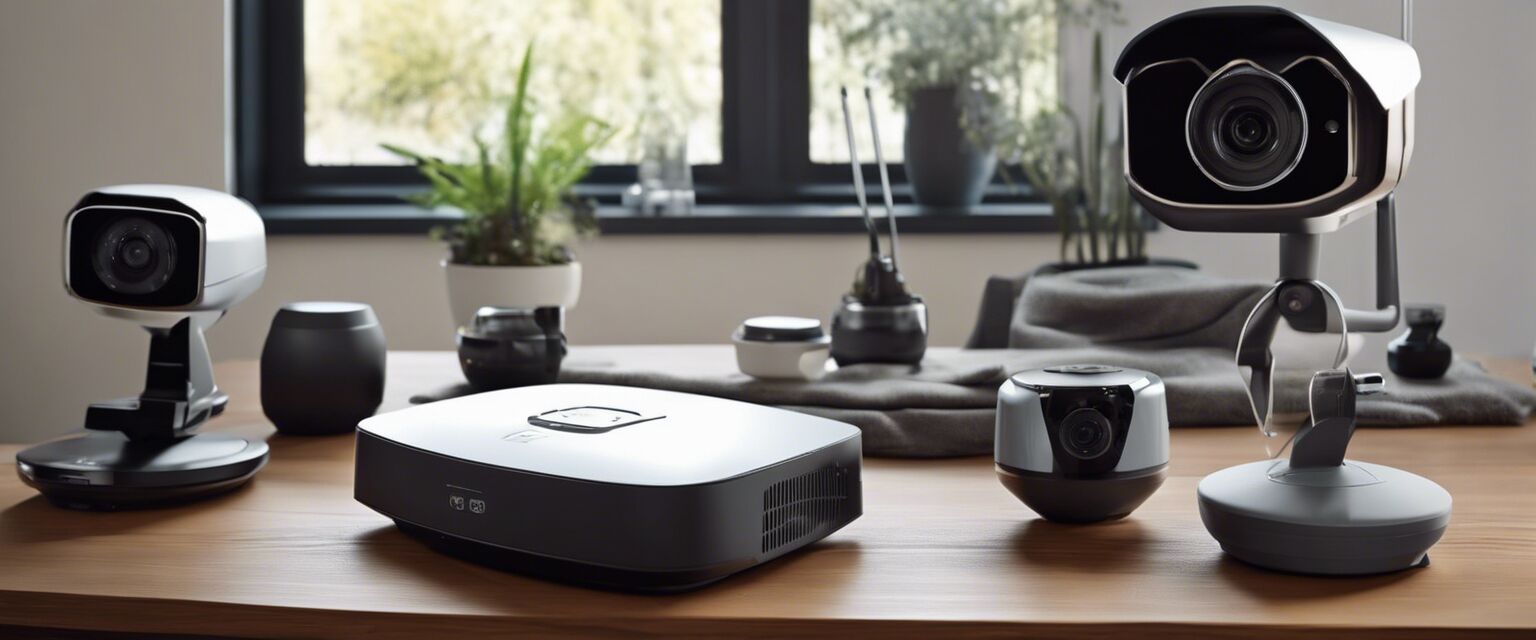
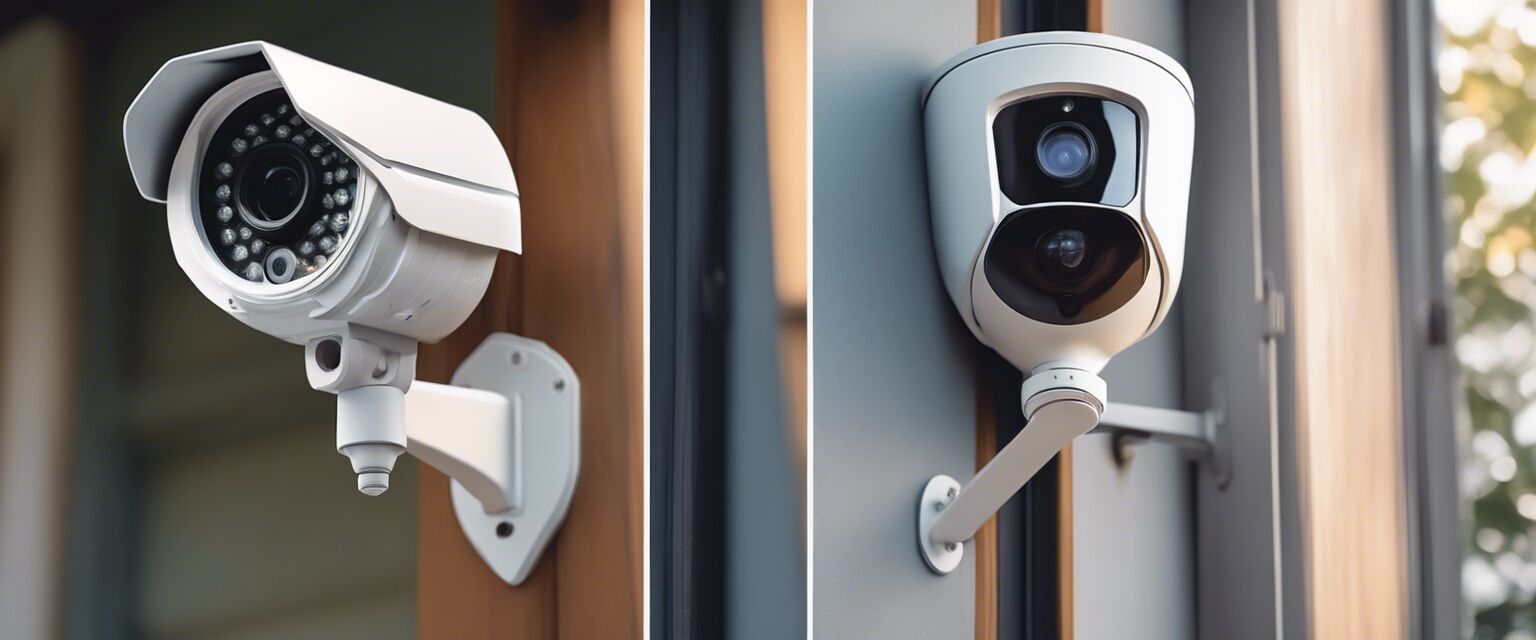
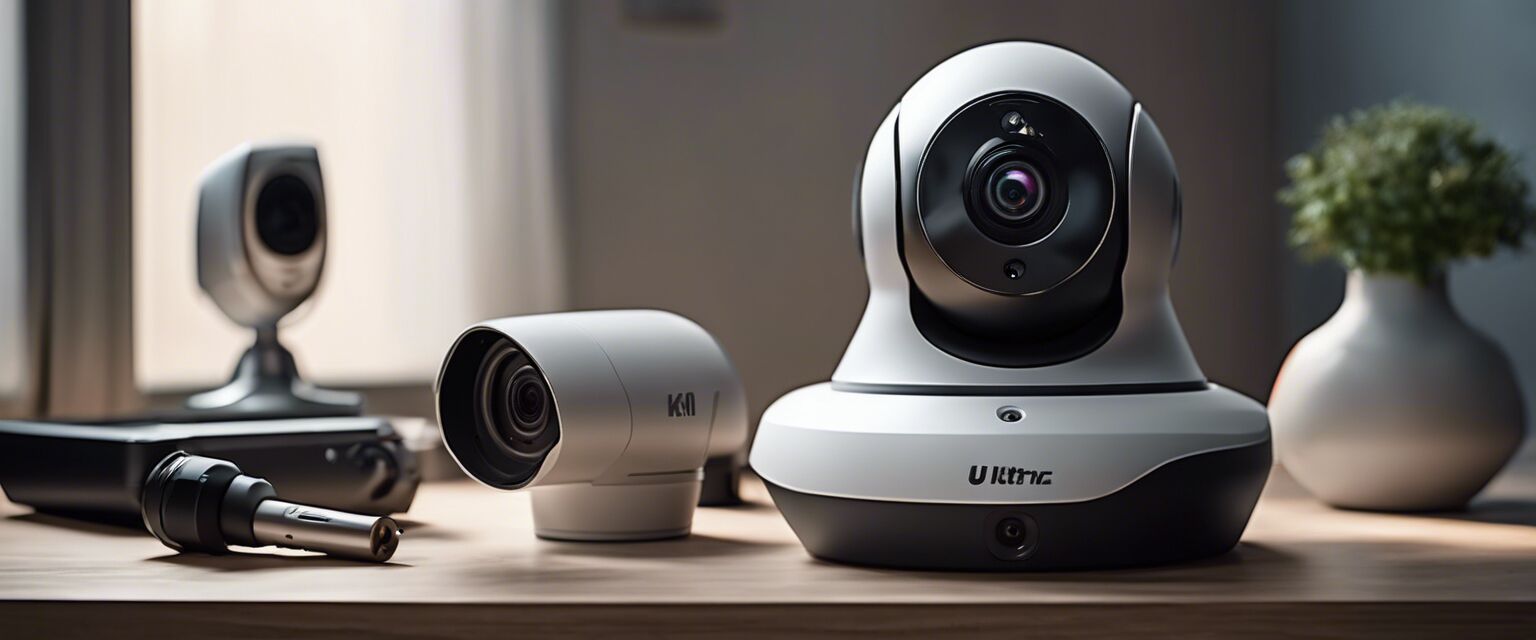
Indoor home security cameras are essential tools for protecting your home and loved ones. They provide a vigilant eye on your interiors, allowing you to monitor activities remotely. In this guide, we will explore the best practices for using indoor security cameras, their features, and how to choose the right model for your needs.
Benefits of using indoor security cameras
- Monitor your pets while you're away.
- Keep an eye on children and caregivers.
- Receive alerts for unusual activities.
- Record video evidence for security purposes.
Key features to consider
| Feature | Description |
|---|---|
| Resolution | Higher resolution provides clearer images. |
| Night Vision | Allows visibility in low-light conditions. |
| Two-way Audio | Communicate through the camera. |
| Motion Detection | Alerts you when movement is detected. |
| Cloud Storage | Secure storage for recorded footage. |
Best practices for using indoor security cameras
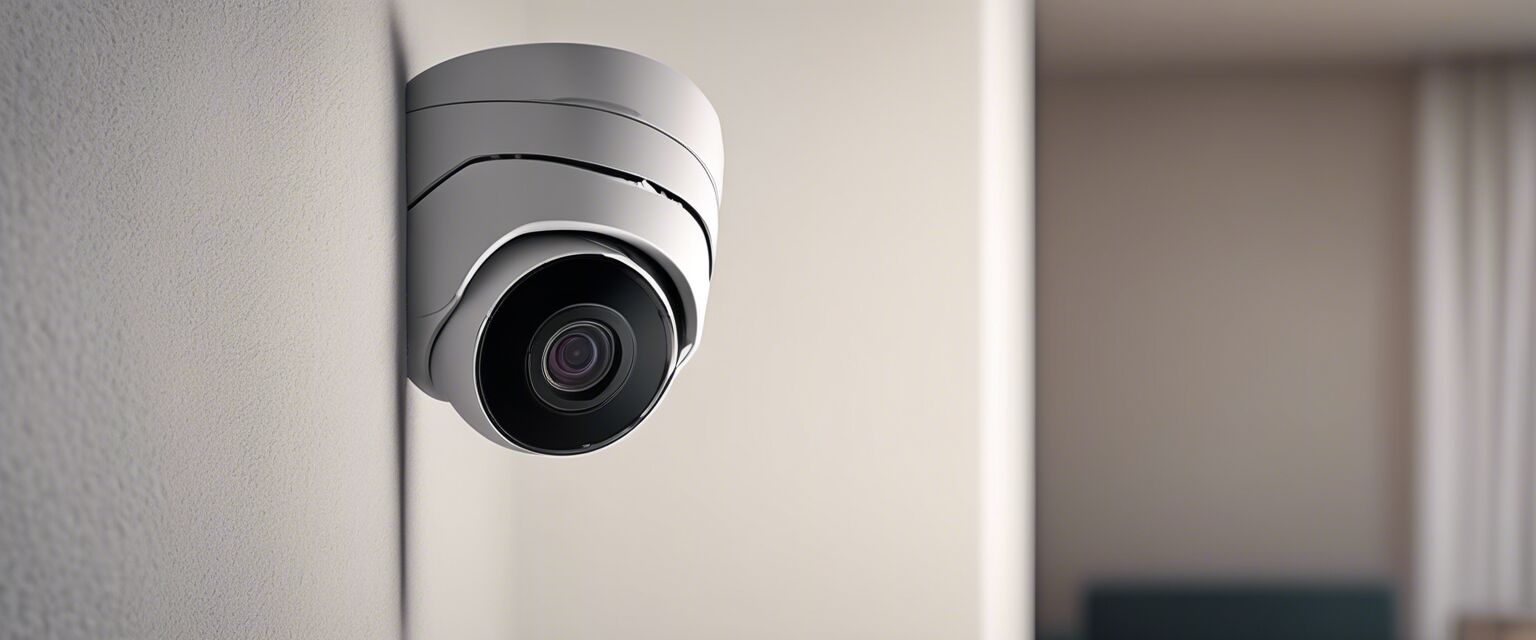
- Choose the right location: Place cameras in high-traffic areas such as living rooms and entryways.
- Ensure proper lighting: Make sure the area has sufficient lighting for the camera to function effectively.
- Connect to a secure network: Protect your camera feed by using a secure Wi-Fi network.
- Regularly update firmware: Keep the camera's software updated to ensure security and functionality.
- Test the camera's view: Make adjustments to the camera angle to get the best coverage.
Top indoor security camera models
| Camera Model | Resolution | Night Vision | Two-way Audio | Price Range |
|---|---|---|---|---|
| Model A | 1080p | Yes | Yes | $$$ |
| Model B | 4MP | Yes | No | $$ |
| Model C | 720p | No | Yes | $ |
| Model D | 1080p | Yes | Yes | $$$ |
Integrating indoor security cameras with smart home systems
Smart home integration allows for greater functionality of your indoor security cameras. Here are some benefits:
- Control cameras through voice commands via smart assistants.
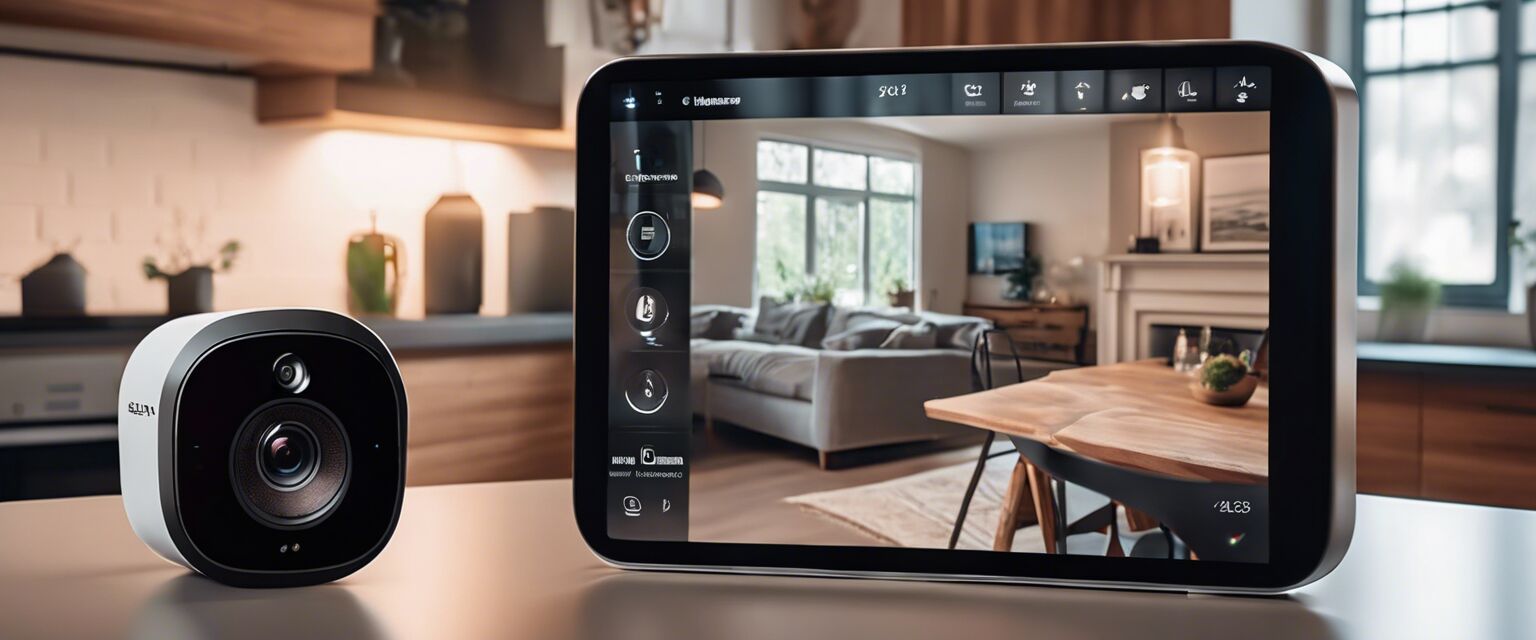
- Receive real-time alerts on your smartphone.
- Integrate with other devices like smart locks and lights for enhanced security.
Common questions about indoor security cameras
Frequently Asked Questions
- Do indoor cameras record continuously? It depends on the model; some record continuously while others only when motion is detected.
- Can I view my indoor camera feed remotely? Yes, most modern indoor cameras allow remote viewing via mobile apps.
- Are indoor cameras easy to install? Many indoor cameras are designed for easy DIY installation.
Conclusion
Indoor security cameras are a valuable investment for enhancing your home security. By understanding their features, benefits, and best practices, you can effectively monitor your space and ensure peace of mind. For more information on different types of security cameras, check out our other categories:
- Doorbell Cameras
- Home Monitoring Services
- Outdoor Security Cameras
- Security Camera Accessories
- Smart Home Security Systems
- Wireless Security Cameras
Pros
- Enhanced home security.
- 24/7 monitoring capabilities.
- Peace of mind when away from home.
- Easy access to live feeds via smartphones.
Cons
- Privacy concerns with recording.
- Potential technical issues with connectivity.
- Cost of quality cameras can be high.